


For decades Electro-Matic has provided LED signage solutions for a wide variety of commercial and industrial applications all over the world. From small scrolling ticker displays to large digital billboards – we have you covered.
LED Lighting
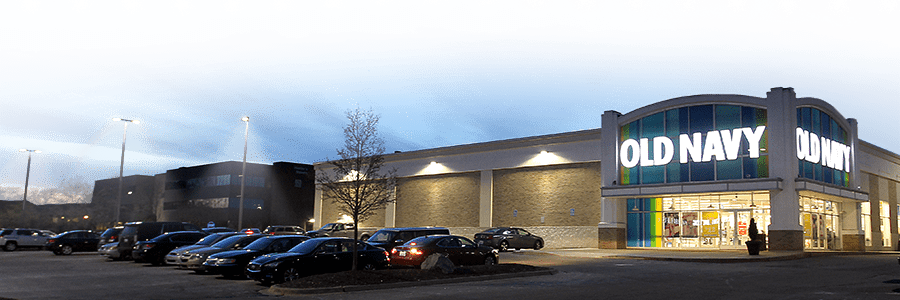
Start saving on your energy costs by converting your lighting over to LED! It’s not as hard as you think and Electro-Matic will walk you through the entire process while making sure your rebates and incentives are maximized.
Request Our Catalog
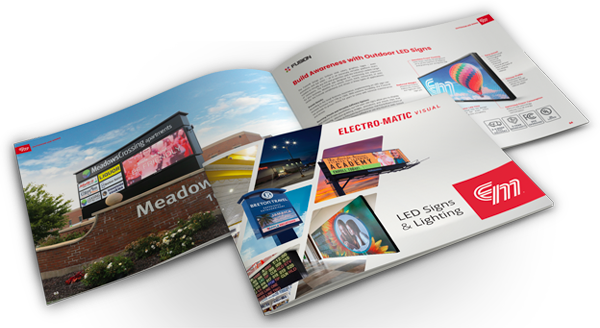
Electro-Matic Visual has been a leader in LED solutions for commercial and industrial markets since 1991. We specialize in the manufacturing of indoor and outdoor electronic message centers and optimized LED lighting solutions of any size. Download or request a mailed copy of our catalog today!
BLOG NEWS & UPDATES


Here to Support You
Electro-Matic Visual prides itself on unparalleled dealer and customer support. We’re only a success if you are! Because of that commitment Electro-Matic Visual offers the following support services:
FEATURED LED DISPLAY PROJECT
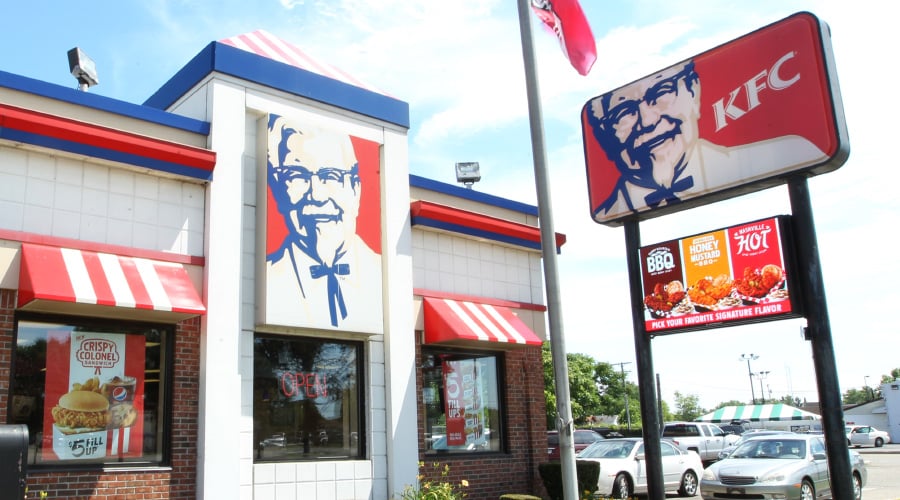
Kentucky Fried Chicken
Vangeloff Management is in the process of remodeling its restaurants to be consistent with corporate KFC directives and wished to couple new LED signs to drive customers into their new and improved dining and menu experience.

FEATURED LED LIGHTING PROJECT
Fabiano Brothers
In a facility-wide upgrade, beverage distributor Fabiano Brothers opted to not only upgrade their exterior and warehouse lighting but the interior office lighting to LED as well. The savings on LED lighting were significant.